Washing Machine Not Spinning? Common Causes and Repair Options in Sharjah
A washing machine that washes normally but refuses to spin can leave your clothes heavy, wet, and difficult to dry. The drum may turn slowly during the wash cycle, then stop before the final spin. In other cases, the machine drains the water but the drum does not reach full speed. You may also hear a humming sound, see an error code, or notice the machine repeatedly trying to balance the load.
The problem does not always mean the motor has failed. A washing machine may stop spinning because the load is unbalanced, the door is not locking, the drive belt is loose, or the control system has detected another fault.
People looking for appliance repair in Sharjah often continue running the spin cycle several times. This can place more pressure on the belt, motor, bearings, and suspension system. Checking the symptoms early can help you decide whether the issue is simple or needs technical attention.
Why Your Washing Machine Stops Spinning
The spin cycle removes water from clothes by turning the drum at high speed. Before this can happen, the washing machine checks several conditions. The door must be locked, most of the water must be drained, the load must be balanced, and the motor must be able to turn the drum safely.
If one condition is not met, the machine may cancel or reduce the spin cycle. This is a protective response. For example, a front-load washer will usually refuse to spin if the door lock does not confirm that the door is secure.
But here is the thing most people miss: spin problems often start before the drum stops completely. You may notice that clothes are wetter than usual, the final cycle takes longer, or the machine keeps changing the remaining time.
Quick Washing Machine Spin Checklist
Check these signs before booking a repair:
Common Reasons a Washing Machine Stops Spinning
A washing machine may stop spinning because of an unbalanced load, blocked drainage, a loose belt, a faulty door lock, or a motor-related problem. These common causes can help you understand what to check before booking repair.
1. Unbalanced or Overloaded Drum
An unbalanced load is one of the most common reasons a washing machine does not spin properly. Heavy items such as towels, blankets, and bedsheets can gather on one side of the drum. The machine may detect the uneven weight and stop the high-speed spin to protect the suspension system. Overloading can create a similar problem. When the drum is packed too tightly, clothes cannot move freely. The motor has to work harder, and the machine may cancel the spin cycle.
Restart the spin cycle with a smaller, balanced load. If the same problem occurs with normal loads, another component may need checking.
2. Door Lock or Lid Switch Fault
A washing machine will not start a high-speed spin unless it confirms that the door or lid is securely closed. Front-load machines use a door lock assembly, while many top-load models use a lid switch. A faulty lock may allow the wash cycle to start but stop the machine before spinning. You may hear repeated clicking near the door or see a lock symbol flashing on the display. Check that no clothing is trapped between the door and rubber seal. Close the door firmly without slamming it.
If the door does not lock, remains locked after the cycle, or shows the same error repeatedly, the lock assembly or wiring may need testing.
3. Washing Machine Is Not Draining Properly
Many washing machines will not spin while water remains inside the drum. The control system may wait for the water level to drop before allowing the motor to reach full speed.
A blocked pump filter, kinked drain hose, or faulty drain pump can leave water inside the washer. You may hear the pump running without much water leaving the machine. Clothes may remain soaked because the spin cycle never begins.
Do not remove the filter while the drum is full unless you are prepared to collect the water safely.
If water remains inside after the drain cycle, correct the drainage problem first. Repeatedly selecting spin will not solve a blocked or faulty drain system.
4. Worn or Broken Drive Belt
The drive belt connects the motor to the drum pulley in many washing machines. If the belt becomes loose, worn, or broken, the motor may run without turning the drum properly.
A loose belt can cause slow spinning, slipping sounds, or a smell similar to hot rubber. A broken belt may leave the drum completely still even though the machine fills and drains normally.
With the machine switched off, you may notice that the drum turns more freely than usual by hand. This does not confirm a belt problem, but it can be a useful symptom.
Belt replacement should include an inspection of the pulley and drum movement. A new belt may fail again if another part is creating resistance.
5. Motor or Motor Brush Problem
The motor provides the power needed to turn the drum. Some washing machines use carbon brushes that wear down over time. Other models use direct-drive or brushless motors with different control systems.
A motor problem may cause the drum to move during washing but fail at higher spin speeds. The machine may start, stop, and then display an error. You may also notice a burning smell, sparking sound, or weak drum movement.
Do not keep running the machine if it smells burnt or the motor area becomes unusually hot.
Motor current, wiring, brushes, and resistance should be tested before deciding whether repair or replacement is needed.
6. Speed Sensor or Tachometer Fault
The speed sensor tells the control board how fast the drum is turning. It helps the washing machine control slow washing movements and high-speed spinning.
If the sensor gives incorrect information, the machine may stop the motor because it cannot confirm the drum speed. The washer may turn briefly, pause, and try again. Some models display a motor or speed-related error code.
A loose sensor connection can create an intermittent problem. The washing machine may spin normally on one cycle and fail on the next.
Record the error code and note when the drum stops. This information can help the technician identify a speed control problem more quickly.
Repair Options for a Washing Machine That Is Not Spinning
The correct repair depends on why the machine has stopped spinning. A simple issue may only require the load to be balanced or the drain hose to be repositioned. Mechanical and electrical faults need more detailed testing. A washing machine inspection may include:
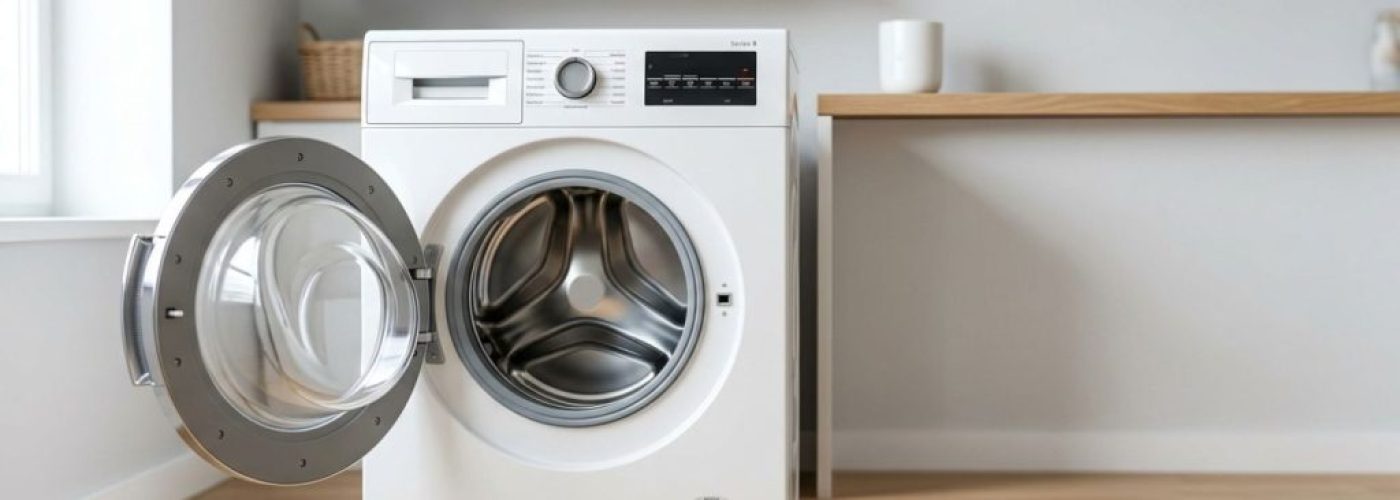
The technician should check the complete spin sequence instead of looking at one component only. A machine may have a working motor but still refuse to spin because the door lock, drain system, or speed sensor is not sending the correct signal.
Appliances Repair Sharjah provides washing machine repair in Sharjah for front-load, top-load, semi-automatic, and washer-dryer models. Customers in areas such as Al Nahda, Rolla, Muweilah, Al Taawun, and Abu Shagara may need help with spin, belt, motor, door lock, or control faults.
When Should You Call a Washing Machine Technician?
Call a technician when balancing the load and checking the drain hose do not restore the spin cycle. You should also arrange an inspection if the machine shows a repeated error, smells burnt, makes scraping sounds, or fails with every load.
Stop using the washer if the drum feels loose, the door does not lock, or water remains inside after draining. These symptoms may point to mechanical, drainage, or electrical problems.
Do not remove the outer panels while the machine is connected to power. Washing machines contain electrical connections, moving parts, and stored water.
Final Thoughts
A washing machine not spinning can be caused by an unbalanced load, faulty door lock, drainage problem, worn belt, motor fault, speed sensor issue, bearing resistance, or control board problem.
Begin with the safe checks. Reduce the load, spread the clothes evenly, close the door properly, and inspect the drain hose. Do not keep restarting the spin cycle if the machine smells burnt, makes a scraping noise, or leaves water inside.
Water on the floor can also affect the machine’s operation and create an electrical risk. Read our guide about a washing machine leaking water if you notice moisture near the door, hoses, pump filter, or underneath the washer.