Fridge Making Loud Noise? What Buzzing, Clicking and Grinding Sounds Mean
A refrigerator is never completely silent. You may hear a soft hum when the compressor runs, a brief click when a cooling cycle starts, or a gentle gurgling sound as refrigerant moves through the system. These sounds are usually normal.
The problem begins when the noise becomes louder, lasts longer, or changes suddenly. A fridge may start buzzing from the back, grinding inside the freezer, rattling against the wall, or clicking every few minutes without cooling properly.
People searching for home appliance repair in Sharjah often notice the sound before any major cooling problem appears. Paying attention early can help you identify whether the issue is caused by the fridge position, loose parts, ice around a fan, or a mechanical fault.
Do not ignore a new sound if it comes with poor cooling, a burning smell, repeated stopping, or excessive heat near the compressor area.
Which Refrigerator Sounds Are Normal?
A refrigerator uses several moving and electrical parts. The compressor starts and stops, fans move cold air, refrigerant changes pressure, and the defrost system melts frost at set intervals.
A low humming sound is common while the compressor is operating. Short clicks may occur when a relay switches the compressor on or off. Gurgling and bubbling can happen when refrigerant or defrost water moves through the system.
But here is the thing most people miss: the type of sound matters less than how it has changed. A soft hum that has always been present is different from a loud buzz that suddenly begins at night.
The location also provides a useful clue. Noise inside the freezer may involve the evaporator fan. Sound near the floor or rear panel may come from the compressor, condenser fan, pipes, or drain pan.
The real test is whether the fridge is still cooling normally and whether the sound stops when a door is opened, the appliance is moved slightly, or the compressor cycle ends.
Quick Fridge Noise Checklist
Check these signs before arranging a repair:
What Different Fridge Noises May Mean
Buzzing, clicking, grinding, rattling, and scraping sounds can come from different parts of the refrigerator. Identifying where and when the noise appears can help separate normal operation from a fan, relay, compressor, or vibration problem.
1. Fridge Touching the Wall or Cabinet
A refrigerator can vibrate slightly while the compressor and fans are running. If the appliance is touching a wall, cabinet, pipe, or another object, that normal vibration may become a loud rattling sound.
Check the space around the sides and back of the fridge. Bottles, storage boxes, or decorative items placed on top can also vibrate and create noise.
The refrigerator should stand firmly on the floor. If one corner is uneven, the cabinet may rock when the compressor starts. Adjustable front feet can sometimes correct the problem.
Pull the refrigerator forward slightly and remove items touching the cabinet. If the noise stops, the problem may be vibration rather than an internal fault.
2. Loose Drain Pan or Rear Panel
Many refrigerators have a drain pan near the compressor area. Water from the defrost cycle collects there and later evaporates.
If the pan becomes loose, cracked, or incorrectly positioned, it may rattle when the compressor or condenser fan runs.
Listen near the bottom rear section of the fridge. The sound may become louder when the compressor starts and quieter when it stops.
Do not remove rear covers while the refrigerator is connected to power. Electrical parts, hot surfaces, and moving fan blades may be exposed.
If the rattling comes from the lower rear area, switch off the fridge before checking any user-accessible panel or visible pan position.
3. Ice Around the Evaporator Fan
The evaporator fan is usually located behind an internal panel in the freezer. It moves cold air across the evaporator coils and into the fridge section.
When ice builds around the fan blades, the blades may strike the frost and create scraping, ticking, or grinding sounds. The noise may stop when the freezer door opens because many models switch the fan off at that point.
You may also notice weak airflow, uneven cooling, or frost on the rear freezer panel.
A noise that stops when the freezer door opens often points toward the evaporator fan or ice around it. The defrost system may need checking if the ice returns.
4. Faulty Evaporator Fan Motor
A worn evaporator fan motor can become noisy even when no ice is touching the blades. The motor bearings may produce grinding, squealing, or rough humming sounds.
The fan may also run slowly or stop completely. When this happens, the freezer may remain cold while the refrigerator compartment becomes warmer because cold air is not moving properly.
Listen for changes when the compressor is running. A healthy fan usually produces steady airflow.
If the fan sound is rough, inconsistent, or followed by weak cooling, the motor, blade, wiring, and surrounding ice should be inspected together.
5. Condenser Fan Obstruction or Motor Fault
Some refrigerators use a condenser fan near the compressor. It helps move air across the condenser coils and supports heat removal.
Dust, pet hair, packaging, or a loose wire may touch the blades and cause rattling or scraping. A worn motor can create buzzing or grinding from the lower rear section.
The condenser fan usually runs when the compressor operates. If the noise starts and stops at the same time as the compressor, this area may be involved.
If the lower rear area is noisy and unusually hot, stop repeated testing. The fan, coils, and compressor ventilation need proper inspection.
6. Compressor Vibration or Internal Wear
The compressor pumps refrigerant through the cooling system. A low hum and slight vibration are normal while it runs.
A loud buzzing, knocking, or clunking sound may indicate strong vibration, loose mounting parts, or internal compressor wear. The sound may be more noticeable when the compressor starts or stops.
A noisy compressor does not always need immediate replacement. Pipes touching the cabinet, worn rubber mounts, or a faulty start component can create similar sounds.
Do not replace the compressor based on noise alone. The mounts, relay, fans, refrigerant pressures, and cooling performance should be checked first.
Repair Options for a Fridge Making Loud Noise
The correct repair depends on the sound, location, and cooling performance. A simple vibration may only require the fridge to be levelled or moved away from a wall.
A noisy refrigerator inspection may include:
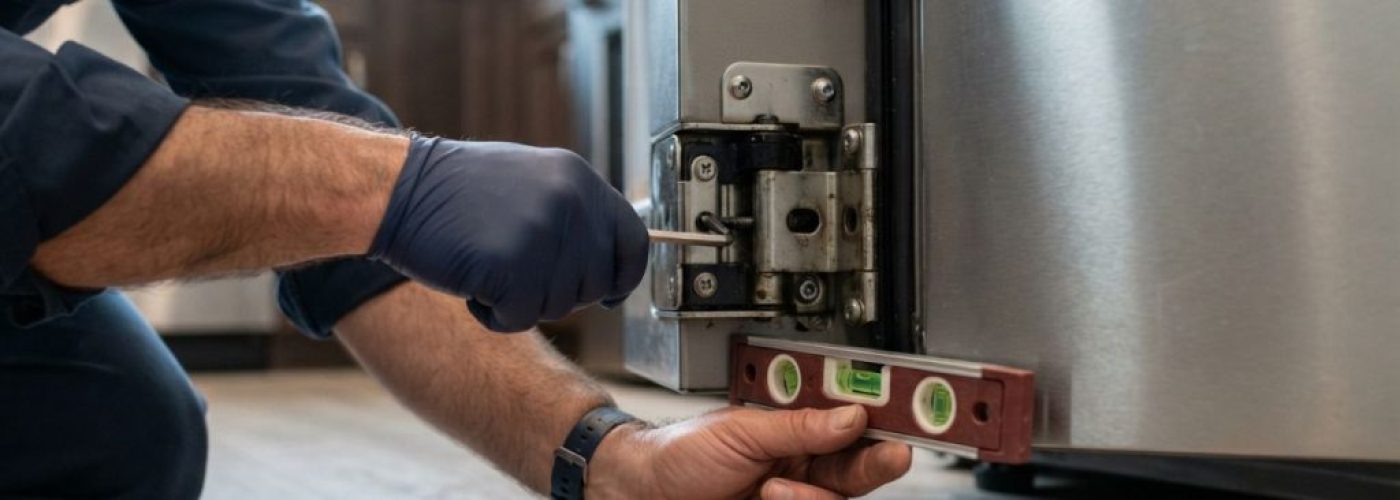
The refrigerator should be observed through a complete cooling cycle. Some sounds only appear when the compressor starts, the fan changes speed, or the defrost system operates.
Appliances Repair Sharjah provides fridge repair service in Sharjah for single-door, double-door, side-by-side, French-door, top-freezer, and bottom-freezer models. Customers in Al Nahda, Rolla, Muweilah, and Al Qasimia may need help with fan motors, relays, compressors, sensors, wiring, or cooling faults.
When Should You Call a Fridge Technician?
Call a technician when the noise is new, unusually loud, or followed by weak cooling. Repeated clicking, grinding inside the freezer, electrical buzzing, or knocking from the compressor area should be checked.
Stop using the refrigerator if you smell burning, see smoke, notice melted wiring, or hear strong electrical buzzing. Disconnect power when it is safe to do so.
Move perishable food to another cold appliance if the fridge temperature begins rising. A noisy fan or compressor issue may reduce cooling even if the freezer still feels cold.
Do not remove electrical covers, fan housings, or compressor parts while the appliance is connected.
When booking fridge repair in Sharjah, describe the sound clearly. Mention whether it is buzzing, clicking, grinding, rattling, scraping, or knocking, and explain where it seems to come from.
Final Thoughts
A fridge making loud noise may be touching a wall, standing unevenly, or vibrating against a loose panel. Internal causes can include ice around the evaporator fan, a worn fan motor, condenser fan trouble, compressor vibration, a faulty start relay, or loose wiring.
Begin with the safe checks. Move items away from the cabinet, confirm that the fridge stands firmly, and listen to where the sound is strongest.
Cooling problems can help identify the likely source. Read our guide about a fridge not cooling but freezer working if the freezer stays cold while the refrigerator compartment becomes warm.
Not every hum or click means the fridge is failing. The warning signs are sudden changes, repeated sounds, poor cooling, excessive heat, or burning smells.