Fridge Not Cooling but Freezer Is Working? Causes and Repair Options
A fridge that feels warm while the freezer remains cold can be confusing. Ice may still be solid, frozen food may look normal, and the compressor may continue running, yet milk, vegetables, and other items in the fridge compartment do not stay cold enough.
This problem often means that cold air is being produced but is not reaching the fresh-food section correctly. Blocked vents, ice around the evaporator coils, a faulty fan, or a damaged air damper can all interrupt the flow between the freezer and fridge.
People searching for appliance repair in Sharjah should not ignore uneven cooling. Food can spoil even when the freezer appears normal. Start with simple checks such as the temperature setting, airflow vents, and door seal. If the fridge stays warm, the fan, defrost system, sensors, or control parts may need professional testing.
Why the Freezer Works but the Fridge Stays Warm
Many refrigerators create cold air inside the freezer section. A fan then moves part of that air through vents into the fresh-food compartment.
If the freezer remains cold, the compressor and cooling system may still be working. The problem may be in the airflow path that carries cold air into the fridge. Food packages can block the vents, ice can cover the evaporator coils, or the fan may stop turning.
But here is the thing most people miss: uneven cooling often starts slowly. You may first notice warmer drinks, soft vegetables, or condensation inside the fridge. The compressor may also run longer because the machine keeps trying to reach the selected temperature.
The real test is whether cold air is reaching the fridge vents. If the freezer is cold but airflow inside the refrigerator section feels weak or absent, the problem is likely connected to circulation, defrosting, or temperature control.
Quick Fridge Cooling Checklist
Check these signs before arranging a repair:
Common Reasons the Fridge Stays Warm While the Freezer Works
The freezer may remain cold while the fridge becomes warm when cold air cannot move between the compartments. Blocked vents, frozen coils, a faulty fan, damaged damper, or defrost problem may be responsible.
1. Food Blocking the Air Vents
Cold air usually enters the fridge through vents located near the back or upper section. If food containers are pushed directly against them, airflow can become weak.
Large boxes, bottles, and tightly packed shelves can also prevent air from circulating around the compartment. One shelf may feel cold while another stays warm.
Move food away from the vents and leave space around the back wall. Avoid filling the refrigerator so tightly that air cannot move between items.
Rearrange the shelves and wait several hours before judging the result. If airflow is still weak, the fan, damper, or defrost system may need checking.
2. Incorrect Temperature Setting2. Incorrect Temperature Setting
The temperature setting may have been changed accidentally during cleaning, loading, or a power interruption.
Some refrigerators use number levels rather than exact temperatures. A higher number may mean colder on one model but not on another. Check the control panel or user manual before making large changes.
A holiday, eco, or energy-saving mode may also reduce cooling in the fresh-food compartment. Some models allow the fridge section to be switched off while the freezer continues running.
Confirm that the fridge section is switched on and set to a normal cooling level. Wait before changing the setting again.
3. Frozen Evaporator Coils
The evaporator coils remove heat from the air inside the freezer. A fan moves cold air across these coils and into the fridge compartment.
If thick ice forms around the coils, air cannot pass through properly. The freezer may still feel cold because the ice is inside that section, while the refrigerator receives little airflow.
You may notice frost on the rear freezer panel, weak cooling in the fridge, or a fan sound that changes as ice builds up.
Visible heavy frost usually points to a defrost or airflow problem. The cause should be checked before the ice builds up again.
4. Faulty Evaporator Fan
The evaporator fan moves cold air from the freezer through the refrigerator. If the fan stops, the freezer can remain cold while the fridge becomes warm.
Open the freezer and listen for the fan. On many models, the fan stops when the door is open, so the door switch may need to be pressed carefully to test it.
A faulty fan may remain silent, run slowly, or make grinding and scraping sounds. Ice around the blades can also stop it from turning.
If the fan is silent, noisy, or blocked by ice, stop guessing. The motor, wiring, and surrounding area may need inspection.
5. Stuck or Damaged Air Damper
The air damper controls how much cold air moves from the freezer into the fridge section. A small motor, sensor, or mechanical control may operate it.
If the damper stays closed, the freezer can work normally while the fridge receives little cold air. If it stays open, the fridge may become too cold and freeze food near the vents.
You may hear a clicking sound near the damper or notice that changing the temperature setting makes no difference. The damper is often hidden behind an internal cover
Check for visible obstruction around the vent. Internal damper testing should be completed without forcing the mechanism.
6. Defrost System Problem
The automatic defrost system prevents ice from covering the evaporator coils. It may include a heater, thermostat, sensor, timer, or control board.
If one part fails, frost gradually builds until airflow is restricted. The fridge may cool normally for a few days after the ice melts, then become warm again.
Repeated frost on the freezer panel is a useful warning sign. A temporary manual defrost may restore cooling, but it does not correct the failed component.
If the fridge becomes warm again after the ice returns, arrange testing of the complete defrost system.
Repair Options for a Fridge That Is Not Cooling Properly
The right repair depends on why cold air is not reaching the fresh-food section. A simple issue may only require food to be moved away from the vents or the temperature setting to be corrected.
A fridge cooling inspection may include:
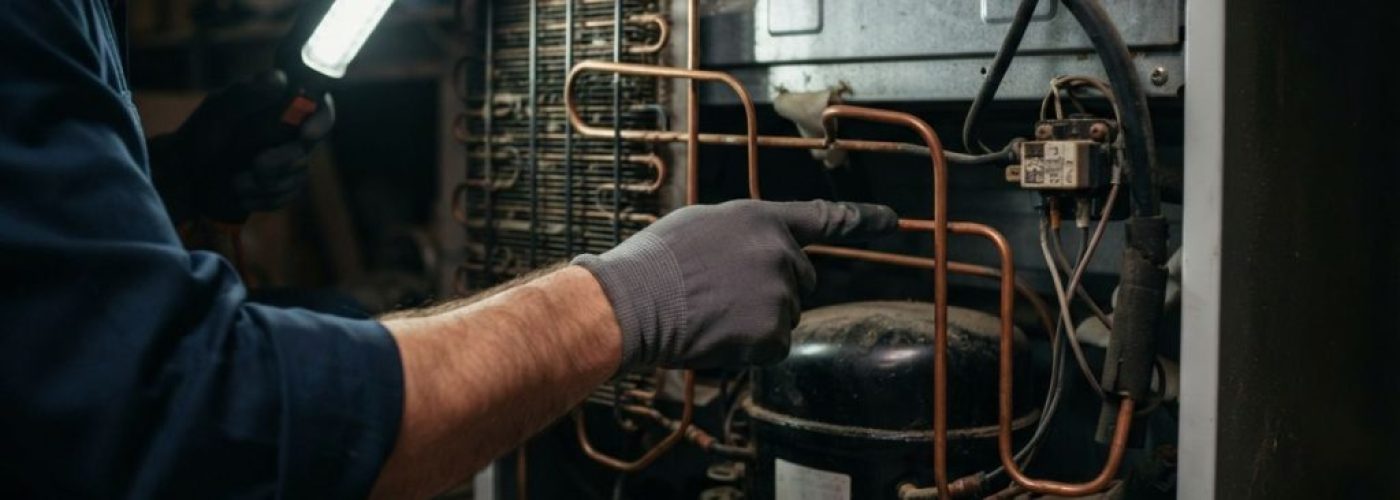
The complete cooling cycle should be checked because several faults can create the same symptom. A working freezer does not always mean every cooling component is functioning correctly.
Appliances Repair Sharjah provides fridge repair in Sharjah for single-door, double-door, side-by-side, French-door, top-freezer, and bottom-freezer models. Customers in Al Nahda, Rolla, Muweilah, and Al Taawun may need help with fans, dampers, sensors, door seals, defrost systems, or control faults.
When Should You Call a Fridge Technician?
Call a technician when the fridge remains warm after the vents are cleared, the settings are checked, and the door closes properly.
You should also arrange an inspection if thick frost keeps returning, the fan is noisy or silent, the display shows an error, or the refrigerator runs continuously without reaching the correct temperature.
Move perishable food to another cold appliance if the fridge compartment is not staying cold enough. Do not keep opening the door because each opening lets more warm air inside.
Do not remove internal electrical covers or use sharp tools around ice. Refrigerators contain wiring, moving fan parts, and pressurized cooling lines.
When booking fridge repair in Sharjah, explain whether the freezer is cold, whether airflow can be felt inside the fridge, and whether frost is visible on the freezer panel.
Final Thoughts
A fridge not cooling while the freezer is working usually points to an airflow, defrost, fan, damper, gasket, sensor, or control problem.
Start with the safe checks. Move food away from the vents, confirm the temperature setting, clean the door gasket, and look for visible frost inside the freezer.
Listen for unusual sounds while the refrigerator runs. Our guide about a fridge making loud noise can help you understand buzzing, clicking, grinding, rattling, and fan-related sounds.
Do not assume the compressor needs replacement simply because the fridge section is warm. A cold freezer often shows that cooling is still being produced, but the air may not be reaching the refrigerator section properly.