Coffee Grinder Not Grinding Beans? Causes, Safe Checks and Repair Options
A coffee grinder that suddenly stops grinding can leave your machine running without producing any coffee. You may hear the motor, but the beans stay inside the hopper. In other cases, the grinder clicks, buzzes, or stops after a few seconds. Some machines also display a grinder warning or prepare very weak coffee because too little ground coffee reaches the brew group.
The problem may come from oily beans, a blocked chute, an incorrect grind setting, worn burrs, or a faulty motor. A few basic checks are safe to perform at home, but the grinder contains sharp and electrical parts that should not be opened without the right knowledge.
People looking for appliance repair in Sharjah often wait until the machine stops completely. Checking the grinder early can prevent a small blockage from placing extra pressure on the motor, gears, and control system.
Why a Coffee Grinder Stops Grinding Beans
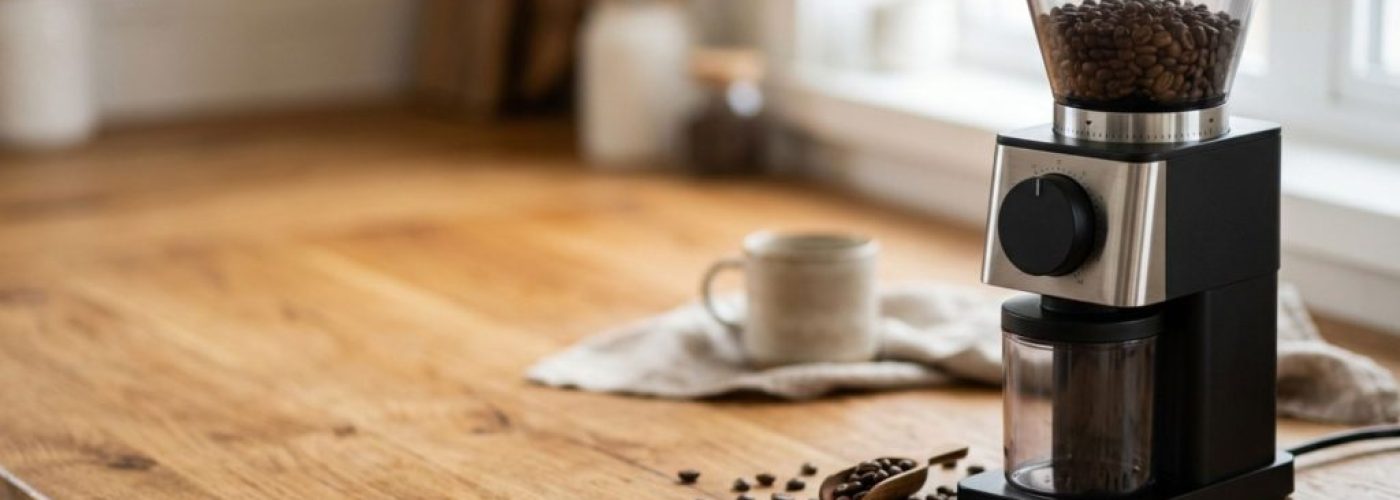
A built-in coffee grinder depends on several parts working together. Beans move from the hopper into the burrs, the motor turns the grinding mechanism, and the ground coffee passes through a chute toward the brew group or coffee basket.
If the beans cannot move freely, the grinder may run without grinding anything. A blockage inside the chute can also cause ground coffee to collect inside the machine instead of reaching the brewing area. Mechanical faults may stop the burrs from turning even when the motor makes noise.
But here is the thing most people miss: grinder faults often start with small changes. The coffee may become weaker, the grinder may take longer, or the ground coffee may look uneven. A clicking sound may appear before the grinder stops completely.
Quick Symptom Checklist
Check what the machine is doing before trying to clear the problem:
Common Reasons a Coffee Grinder Stops Grinding Beans
A coffee grinder may stop working because of oily beans, a blocked hopper, clogged burrs, an incorrect grind setting, or an internal motor fault. These common causes can help you understand what to check before arranging repair.
1. Oily or Damp Coffee Beans
Oily beans can stick to the walls of the hopper and collect around the grinder burrs. Dark-roasted coffee often has more surface oil, which may cause beans to clump instead of falling smoothly into the grinding area.
Damp beans can create a similar problem. Moisture makes coffee dust stick together and may form a thick layer inside the chute. This can slow the grinder and reduce the amount of ground coffee reaching the brew group.
Empty the hopper if the manual allows it and wipe the removable container with a dry cloth. Let it dry fully before adding fresh beans.
2. Blocked Grinder Chute
The grinder chute carries ground coffee from the burrs to the brewing section. Fine coffee dust, oils, and moisture can collect inside this path. Over time, the opening may become narrow or completely blocked.
A blocked chute can make the grinder sound normal even though little or no ground coffee reaches the brew group. You may notice weak coffee, a smaller coffee puck, or loose dry grounds inside the machine.
If loose coffee grounds keep building up inside the machine, stop running repeated cycles. The blockage may be deeper than the visible opening.
3. Grind Setting Is Too Fine
A very fine grind can slow the movement of coffee through the grinder and brewing system. On some automatic machines, turning the adjustment too far toward the finest setting may place extra pressure on the burrs.
The machine may grind slowly, make a strained sound, or produce only a small amount of coffee. The final drink may drip slowly or fail to come out properly because the coffee is packed too tightly.
Move the grind setting slightly coarser and test two or three coffees. Do not turn the dial through several levels at once.
4. Foreign Object Inside the Grinder
Small stones, hard bean fragments, or other foreign objects can occasionally enter the hopper with coffee beans. When one reaches the burrs, the grinder may make a sharp clicking sound.
The motor may stop because it cannot turn the blocked burrs. Some machines cut power to the grinder to protect the motor. Repeatedly pressing the brew button can damage the burrs, gears, or drive mechanism.
Switch off and unplug the machine as soon as a sudden clicking sound starts. A technician may need to remove the grinder assembly safely.
5. Worn or Damaged Grinder Burrs
Grinder burrs gradually wear as they process coffee beans. Worn burrs may still turn, but they can produce uneven grounds and take longer to grind the selected amount.
You may notice that the coffee tastes weak even after adjusting the strength setting. The grounds may contain a mix of large pieces and fine powder. In some machines, damaged burrs can also rub against each other and create an unusual scraping sound.
Switch the machine on first, prepare your cup and coffee, and wait for the ready signal before starting extraction.
6. Faulty Grinder Motor6. Faulty Grinder Motor
The grinder motor turns the burrs or blade mechanism. A motor fault may cause the grinder to remain silent, run slowly, or stop after a few seconds.
A buzzing sound without movement can mean the motor is receiving power but cannot turn. The cause may be a blockage, or an electrical issue. A hot smell may indicate that the motor has been working under too much pressure.
Allow the machine to cool. Motor testing should be completed before deciding that the whole grinder needs replacement.
Repair Options for a Coffee Grinder That Is Not Working
The right repair depends on what is stopping the grinder. A minor problem may only need the hopper cleaned, loose grounds removed, or the grind setting corrected. A deeper blockage may require the grinder assembly and chute to be opened and cleaned. A technician may check:
The grinder should be because a fault in one area can affect the other. For example, the grinder may work but fail to deliver the correct amount of coffee because the chute is blocked.
Appliances Repair Sharjah provides coffee machine repair in Sharjah for automatic coffee machines, bean-to-cup units, espresso machines, and selected commercial models. The inspection can identify whether the grinder needs cleaning, adjustment, burr replacement, motor repair, or electrical testing.
When Should You Call a Coffee Machine Technician?
Call a technician when the grinder continues clicking, buzzing, overheating, or failing to grind after the safe checks have been completed. You should also arrange an inspection if the machine shows the same grinder error after the hopper has been cleaned and fitted correctly.
Stop using the machine if you smell burning or hear a sharp mechanical sound. These signs may point to a blocked grinder, damaged gear, or motor problem.
Do not remove the outer housing or touch internal grinder parts while the machine is connected to power. The burrs are sharp, and some parts may move without warning during testing.
Final Thoughts
A coffee grinder not grinding beans may be caused by oily beans, a blocked chute, a grind setting that is too fine, a foreign object, worn burrs, a faulty motor, a hopper sensor problem, or an electrical fault.
Start with the basic checks. Confirm that the hopper is fitted correctly, use dry beans, and inspect the visible feeding area. Do not push beans into the grinder or insert metal tools into the burrs.
Good operating habits can also reduce grinder problems. Read our guide on how to use a coffee machine correctly for practical advice about beans, grind settings, water tanks, warm-up cycles, and warning lights.