Washing Machine Leaking Water? Common Leak Points and Repair Options in Sharjah
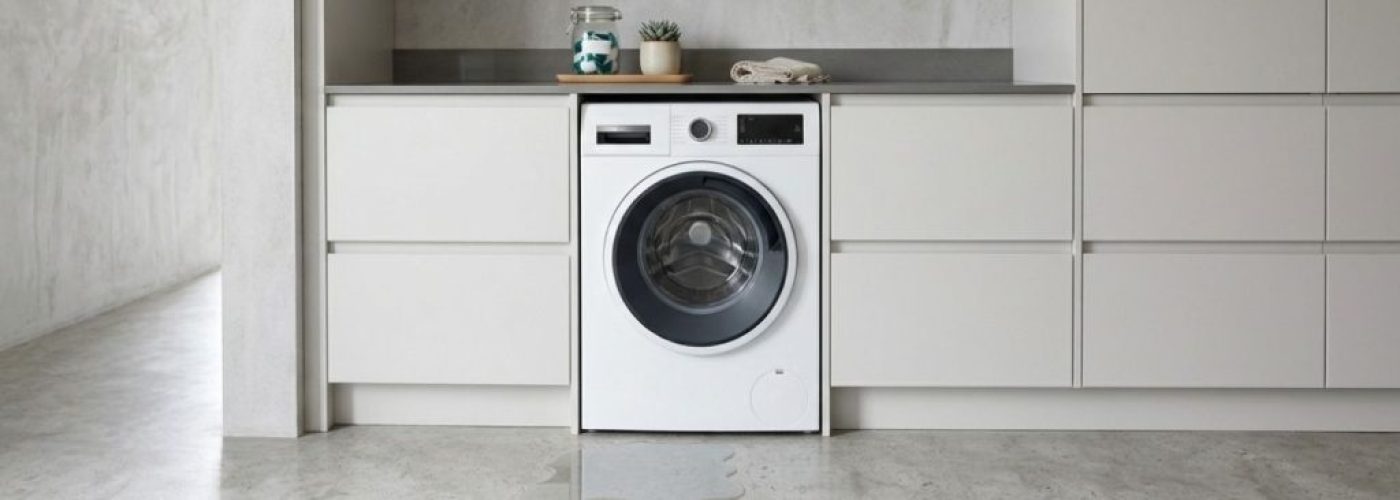
A washing machine leaking water can quickly turn a normal laundry day into a floor-cleaning problem. You may notice a small puddle near the front, water running from the back, or moisture appearing underneath the machine during a wash cycle. In some cases, the leak only happens while the washer is filling, draining, or spinning.
The source is not always easy to identify because water can travel along hoses, panels, and the base before reaching the floor. A loose inlet hose may look like a leak from underneath, while a damaged door seal may only release water during a fast spin.
People searching for home appliance repair in Sharjah should avoid continuing to use a leaking washer without checking the source. Water near electrical connections can create a safety risk, and a small leak can damage flooring, cabinets, or nearby walls if it continues.
Why Your Washing Machine Is Leaking Water
A washing machine moves water through several parts during each cycle. Water enters through the inlet hose and valve, moves into the drum, mixes with detergent, and later leaves through the pump and drain hose.
A leak can develop anywhere along this path. External parts such as hoses and filter caps are usually easier to inspect. Internal leaks may come from the pump, tub seal, valve, or loose pipe connections.
But here is the thing most people miss: the point where you see water is not always the actual source. Water leaking from the back may run underneath the machine and appear near the front. A leak ar
Quick Washing Machine Leak Checklist
Check when and where the water appears:
Common Causes of a Washing Machine Water Leak
Water may leak from the door seal, inlet hose, drain hose, detergent drawer, pump, or internal connections. These common leak points can help you identify where the water is coming from before booking repair.
1. Loose or Damaged Inlet Hose
The inlet hose carries clean water from the wall tap into the washing machine. A loose connection, damaged rubber washer, or small crack can allow water to escape while the machine is filling.
Check the hose connections at both ends. One end attaches to the water tap, while the other connects to the inlet valve on the back of the washer. Look for dripping, moisture, rust marks, or a swollen section of hose.
Do not tighten plastic fittings with excessive force because the threads can crack. If the hose feels brittle, has visible damage, or leaks under pressure, it should be replaced.
Dry the hose and connections, then observe them during a short filling cycle. Turn off the water supply if you see active dripping.
2. Cracked or Blocked Drain Hose4
The drain hose carries used water out of the machine. Cracks, loose clamps, poor positioning, or pressure from a blockage can cause water to escape during the drain cycle.
Inspect the visible hose for splits, flattened areas, or loose connections. Make sure the hose is not trapped behind the washing machine. A hose that is bent sharply may restrict water flow and create pressure around the connection.
The drain hose should also sit at the correct height. If it is pushed too far into the waste pipe, it may cause draining problems or water to flow back toward the machine.
Watch the drain hose and waste pipe while the machine empties. Water appearing only during draining often points toward this area.
3. Worn Front Door Seal
Front-load washing machines use a rubber seal around the door to keep water inside the drum. Small tears, trapped objects, dirt, or hardened detergent can prevent the seal from closing properly.
Open the door and inspect the full rubber gasket. Check the lower folds where coins, hair clips, small clothing items, and detergent residue often collect. A sharp object may create a cut that only leaks when the drum starts moving.
Water may also escape if clothing is trapped between the glass and seal. This often happens with socks, sleeves, or thin fabric.
If you find a tear or loose section, stop using the washer until the seal is inspected. A damaged gasket usually needs replacement rather than temporary patching.
4. Leaking Drain Pump or Filter Cap
The drain pump pushes water out of the washer. Many front-load models also have a pump filter that can be opened from the lower front panel.
A loose filter cap, damaged seal, cracked pump casing, or blocked pump can cause water to leak near the bottom of the machine. The leak may appear during draining or shortly after the cycle ends.
Check that the filter cap is fitted straight and tightened by hand. A cap that is cross-threaded may not seal correctly. Look for debris around the rubber ring and inspect the visible area for moisture.
If the filter cap is correctly fitted but water still leaks from the pump area, the seal, housing, or internal hose may need inspection.
5. Faulty Water Inlet Valve
The water inlet valve controls how much water enters the washing machine. It opens when the control board sends power and closes when the required water level is reached.
A valve can leak around its body, hose connections, or internal seal. You may notice water near the back of the machine while it fills. In some cases, water slowly enters the drum even when the washer is switched off.
A faulty valve may also cause overfilling if it does not close properly. This can push water toward the detergent drawer or door seal.
Switch the machine on first, prepare your cup and coffee, and wait for the ready signal before starting extraction.
6. Detergent Drawer Overflow
Water passes through the detergent drawer before entering the drum on many washing machines. Dried detergent, fabric softener, or limescale can block the small channels and cause water to overflow from the front.
Remove the drawer if the user manual allows it. Rinse the removable sections with warm water and clear visible residue. Also check the opening where the drawer slides into the machine.
Using thick detergent or pouring product above the marked level can make overflow more likely. Water pressure that is too strong may also cause splashing in some models.
Clean the drawer and use the recommended detergent amount. If water still overflows, the internal dispenser hose or inlet flow may need checking
Repair Options for a Washing Machine Water Leak
The correct repair depends on the source and timing of the leak. A simple issue may only require a loose hose to be refitted or a blocked detergent drawer to be cleaned. Damaged seals, pumps, valves, and internal hoses usually need replacement or repair.
A washing machine leak inspection may include:
The technician should test the machine through filling, washing, draining, and spinning. A leak may only appear during one stage, so checking the washer while it is empty may not reveal the problem.
Appliances Repair Sharjah provides washing machine repair service in Sharjah for front-load, top-load, semi-automatic, and washer-dryer models. Customers in Al Nahda, Rolla, Muweilah, Al Taawun, Abu Shagara, and nearby Sharjah areas may need help with hose, seal, valve, pump, or internal leakage problems.
When Should You Call a Washing Machine Technician?
Call a technician when the leak continues after checking the visible hoses, detergent drawer, door seal, and filter cap. You should also arrange an inspection if water appears from underneath the washer or near electrical parts.
Stop using the machine if the leak becomes heavy, the drum makes a grinding sound, the washer smells burnt, or the power cuts off during a cycle. These symptoms may point to an internal leak affecting mechanical or electrical components.
Turn off the water tap and disconnect the machine from power when it is safe to do so. Do not remove panels while the washer is plugged in.
When booking washing machine repair in Sharjah, explain when the leak starts. Mention if it happens during filling, washing, draining, or spinning. Also describe where the first visible water appears.
Final Thoughts
A washing machine leaking water may have a loose inlet hose, damaged drain hose, worn door seal, leaking pump, faulty inlet valve, blocked detergent drawer, excess foam, or an internal tub connection problem.
Start with the visible checks. Inspect the hoses, clean the detergent drawer, look around the door seal, and confirm that the filter cap is fitted correctly. Dry the floor and observe when the water returns.
A leak can also interfere with other parts of the cycle. Read our guide about a washing machine not spinning if clothes remain soaked, the drum stops before the final cycle, or the machine refuses to spin after water has collected inside.