Do Clothes Shrink in the Dryer? Normal Heat vs Signs of an Overheating Fault
Clothes can shrink in the dryer, especially when they are exposed to high heat for too long. Cotton, wool, knitted fabrics, and some blended materials are more likely to change size than synthetic clothing designed for machine drying.
A small amount of shrinkage may come from the fabric itself, the selected temperature, or ignoring the care label. Repeated shrinking can also point to a dryer that is running hotter or longer than it should.
People looking for home appliance repair in Sharjah sometimes notice that clothes feel extremely hot, elastic becomes damaged, or the dryer keeps running after the laundry is dry. These signs should not be treated as normal fabric behaviour.
The real test is consistency. One unsuitable garment shrinking on a high-heat cycle is different from several loads coming out smaller, overly hot, or damaged. Understanding that difference can help you protect your clothes and identify a possible dryer fault early.
Why Clothes Can Shrink During Drying
Many fabrics contain fibres that respond to heat, moisture, and movement. During washing, the fibres absorb water and may expand. When the dryer applies heat and rotates the clothes, those fibres can contract and settle into a smaller shape.
Natural materials such as cotton and wool are more likely to shrink than polyester and other synthetic fabrics. The amount of change depends on the garment construction, drying temperature, cycle length, and care instructions.
But here is the thing most people miss: heat is not the only factor. A long drying cycle can damage clothing even when the selected temperature is not extremely high. Clothes that remain in the drum after they are already dry continue receiving heat and mechanical movement.
Repeated shrinkage across different fabric types may indicate restricted airflow, an inaccurate moisture sensor, a faulty thermostat, or another temperature-control issue.
A dryer should remove moisture without leaving every garment excessively hot. The cool-down stage should also reduce the temperature before the cycle ends.
Quick Dryer Overheating Checklist
Check these signs if clothes are shrinking or feeling too hot:
Why Clothes Shrink and When Dryer Heat May Be Faulty
Clothes can shrink because of fabric type, high temperature, long drying time, or the wrong cycle. Repeated overheating may also point to blocked airflow, faulty sensors, or a problem with the dryer’s heat controls.
1. Fabric Type and Care Label Instructions
The care label is the first place to check before putting clothing in a dryer. It tells you whether the garment can be tumble dried and which temperature range is suitable.
Cotton may tolerate machine drying but can shrink under high heat. Wool and some knitted items may lose their shape quickly. Delicate fabrics, elastic materials, and clothing with printed designs may need low heat or air drying.
Some garments are marked “do not tumble dry.” Putting them in the dryer can cause permanent size changes, surface damage, or weakened stitching.
Separate garments by care label before drying. Use the lowest suitable temperature when several fabric types are being dried together.
2. Using a Heat Setting That Is Too High
High heat removes moisture quickly, but it also increases the chance of fabric shrinkage. Cotton fibres may tighten, wool may felt, and elastic components may weaken.
A high-temperature setting is usually intended for thick, heat-tolerant items such as towels or some bed linen. It may be too strong for everyday shirts, sportswear, undergarments, or mixed fabrics.
Using high heat for every load may shorten drying time, but it can also shorten the life of your clothes. The small details are what make the biggest difference.
Test a lower setting with a small load. If the dryer still produces excessive heat, its temperature-control parts may need inspection.
3. Drying Clothes for Too Long
Clothes can continue shrinking after most of the moisture has already been removed. Timed cycles are especially easy to overrun because the dryer keeps operating until the selected minutes have finished.
A long cycle may be useful for thick towels, but it can over-dry lightweight clothing. Garments may feel stiff, lose shape, or develop damaged elastic when exposed to unnecessary heat and movement.
Choose a shorter cycle when drying a small load.
Remove clothes when they are dry rather than continuing the cycle for extra warmth. Repeated over-drying can damage both the fabric and the dryer’s working parts.
4. Overloading or Mixing Different Fabrics
An overloaded dryer cannot move clothes freely. Some items remain trapped in the centre while others stay close to the heated airflow.
This creates uneven drying. Lightweight garments may become over-dried while thick towels remain damp. You may then run another cycle, exposing the already dry clothing to more heat.
Mixing heavy and delicate fabrics can create the same problem. Towels and jeans usually need more drying time than shirts, sportswear, or thin cotton items.
Dry heavy and lightweight items separately. Leave enough space for clothing to move rather than pressing the drum full and forcing weight.
5. Blocked Lint Filter or Restricted Airflow
A blocked lint filter can stop warm air from moving through the dryer properly. Heat may remain trapped inside the machine while moisture takes longer to leave the clothing.
The dryer may run for an extended time, become hot on the outside, or stop because a safety device detects excessive temperature. Clothes near the heat source may become over-dried while the rest of the load stays damp.
Check the visible vent hose on vented dryers and the condenser area on models that use a removable condenser.
Stop using the dryer if airflow is weak, the machine becomes unusually hot, or the same heat warning returns after cleaning the filter.
6. Dirty or Faulty Moisture Sensor
Many dryers use moisture sensors to decide when clothing is dry. These sensors are often metal strips located inside the drum.
Detergent residue, fabric softener, and lint can create a coating on the sensor surface. The dryer may then receive inaccurate information and continue operating after the clothes are already dry.
A faulty sensor can also cause the cycle to end too early, leaving clothes damp. The result depends on the signal being sent to the control system.
Clean the sensor gently and test a normal automatic cycle. If the dryer still runs too long, the sensor, wiring, or control system may need testing.
Repair Options for a Dryer That Is Overheating
Normal clothing shrinkage can often be reduced by choosing a lower temperature, following care labels, separating fabric types, and avoiding long drying cycles.
A repair may be needed when several loads come out extremely hot or the dryer does not control its temperature correctly.
A dryer inspection may include:
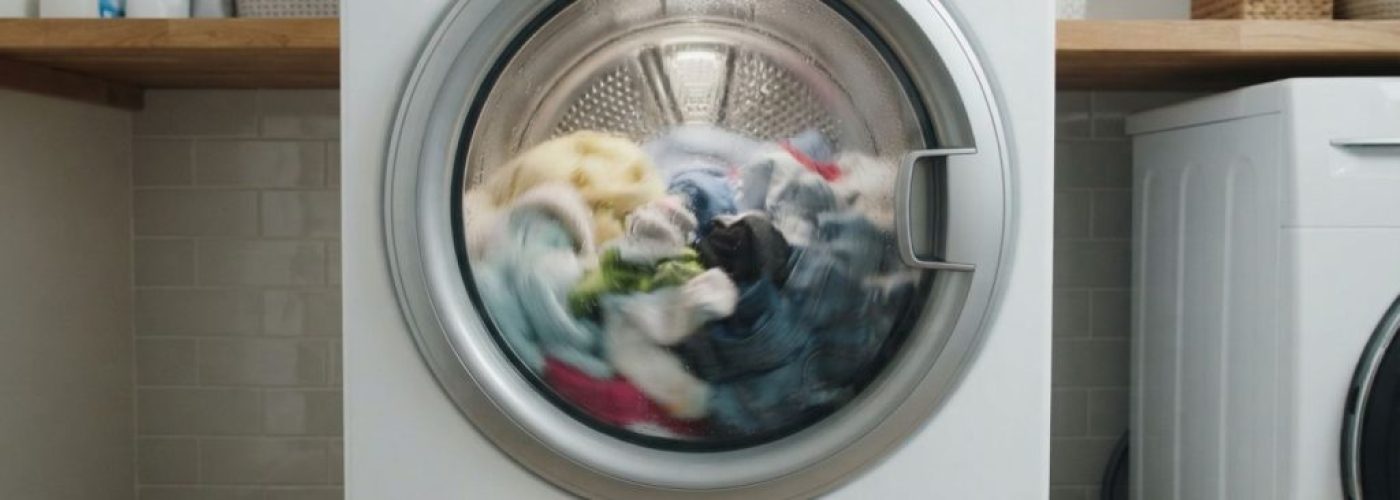
The complete drying cycle should be tested, including the cool-down stage. A dryer may heat normally at first but fail to reduce the temperature near the end.
Appliances Repair Sharjah provides dryer repair service in Sharjah for vented, condenser, heat pump, tumble, compact, and washer-dryer models. Customers in Al Khan, Al Nahda, Muweilah, and Al Qasimia may need help with airflow, thermostats, sensors, heating systems, or control faults.
When Should You Call a Dryer Technician?
Call a technician when clothing keeps shrinking even after you reduce the temperature and drying time. You should also arrange an inspection if the dryer becomes extremely hot, smells burnt, runs longer than selected, or skips the cool-down stage.
Stop using the machine if smoke appears, the plug becomes hot, the power trips, or melted material is visible near the cable or controls.
Do not remove electrical covers or heating components while the dryer is connected to power. Internal heat and stored electrical energy can create a safety risk.
When booking dryer repair in Sharjah, explain which programme was selected, how long the dryer ran, and whether the clothes were dry before the cycle ended. Mention any warning message, smell, or unusual exterior temperature.
Final Thoughts
Clothes can shrink in the dryer because of fabric type, high temperature, excessive drying time, or the wrong programme. Cotton, wool, knitted items, elastic materials, and delicate fabrics need more careful heat selection.
Start by reading the care label, reducing the temperature, separating heavy and light fabrics, and removing clothes when they are dry. Clean the lint filter and check the visible airflow path regularly.
A dryer can also damage clothing when it is not controlling heat properly. Thermostat faults, blocked airflow, dirty moisture sensors, and control problems may cause repeated overheating.
Low or missing heat points to a different type of problem. Read our guide about a dryer not heating if the drum turns but clothes remain cold and wet.
Normal shrinkage usually affects specific fabrics. A fault is more likely when different types of clothing become extremely hot, shrink repeatedly, or come out damaged after every cycle.