How to Use a Coffee Machine Correctly: Common Mistakes That Lead to Repairs
A coffee machine should make your routine easier, but small operating mistakes can slowly create expensive problems. You may fill the tank, add coffee, press a button, and expect the machine to handle everything. The problem is that automatic coffee machines, espresso machines, and bean-to-cup models still need to be used in the right way.
Using the wrong grind size, forcing a blocked grinder, running the machine without enough water, or ignoring warning lights can place extra pressure on the pump, heating system, and internal water lines.
Many people searching for appliance repair in Sharjah are dealing with faults that started as minor usage mistakes. Learning how to operate your coffee machine correctly can improve the taste of your coffee, reduce unnecessary wear, and help you notice early warning signs before the machine stops working completely.
Why Your Coffee Machine Stops Brewing
A coffee machine depends on several systems working together. Water must move freely from the tank, the heater must reach the correct temperature, the grinder must prepare the beans properly, and the pump must create enough pressure for extraction.
A small mistake in one area can affect the entire brewing process. Coffee that is ground too finely can restrict water flow. An overfilled basket can make extraction difficult. A poorly fitted water tank can stop the machine from pulling water. Milk left inside the steam system can create a blockage.
But here is the thing most people miss: coffee machine problems often develop gradually. You may first notice weaker coffee, slower brewing, unusual noise, or more water in the drip tray. These signs can appear before a complete failure.
Quick Symptom Checklist
Before opening anything or booking repair, look at what the machine is doing. These signs can help you understand the possible cause.
Common Coffee Machine Mistakes
Small mistakes during daily use can affect water flow, grinding, heating, and milk performance. Check these common issues to use your coffee machine correctly and reduce the risk of avoidable faults.
1:Empty or Loose Water Tank
The water tank is one of the first things you should check before switching on the machine. Many automatic coffee machines will stop brewing when the tank is empty, loose, or not touching the internal sensor correctly.
Remove the tank and check that it is clean, filled with fresh water, and free from visible cracks. Place it back carefully until it sits firmly in position. Do not force the tank if it does not slide into place. A misaligned valve can restrict water flow or cause leakage.
If the machine sounds louder than normal and no water is moving, switch it off. Refit the tank and check the tank valve.
2:Choosing the Wrong Grind Size
The grind size controls how quickly water can pass through the coffee. Grounds that are too fine may restrict flow and place extra pressure on the brewing system. Grounds that are too coarse may allow water to pass too quickly, producing weak or watery coffee.
For espresso, the grind usually needs to be fine, but not so fine that it becomes powdery. Filter coffee normally needs a coarser setting. Automatic machines may need small adjustments depending on the beans and the strength setting.
Change the grind one level at a time and prepare two or three coffees before deciding if another adjustment is needed.
3:Overfilling the Coffee Basket
Adding extra coffee does not always create a stronger drink. An overfilled portafilter or coffee basket may stop the brewing head from locking correctly. It can also restrict water flow and leave wet coffee grounds inside the machine.
Use the recommended amount for your basket size. Level the grounds before tamping, and do not press so hard that the coffee becomes tightly compressed. If the portafilter requires force to lock into position, remove it and check the amount of coffee.
Leave some space inside the hopper and basket. Coffee should move freely instead of being tightly packed into the machine.
4:Using Oily, Damp, or Unsuitable Coffee Beans
Very oily beans can stick to the hopper walls and build up around the grinder burrs. Damp beans may clump together and fail to move into the grinder properly.
Dark-roasted beans often release more surface oil than medium-roasted beans. This does not mean you cannot use them, but the grinder may need more frequent checking. keep the bean container closed when the machine is not being used.
Use dry beans, inspect them before filling the hopper, or ground coffee to a bean-only compartment.
5. Skipping the Warm-Up Process
Coffee machines need time to heat the water, brewing head, internal pipes, and sometimes the portafilter. Starting the brewing cycle too early may produce coffee at the wrong temperature and place uneven demand on the heating system.
For a traditional espresso machine, warming the cup and portafilter can also improve temperature stability. You can run a short water cycle without coffee if the manufacturer allows it.
Switch the machine on first, prepare your cup and coffee, and wait for the ready signal before starting extraction.
6. Leaving Milk Inside the Steam Wand
Milk dries quickly inside steam-wand tips and milk tubes. A small amount left after each use can slowly create a blockage, reduce steam pressure, and produce an unpleasant smell.
Wipe the outside of the steam wand immediately after frothing milk. Purge it briefly to clear milk from the tip. If your machine uses a removable milk container or tube, rinse the milk-contact parts according to the manufacturer’s instructions.
Clean milk-contact parts after every use. A quick clean takes less time than clearing a hardened blockage later.
Repair Options for Problems Caused by Incorrect Use
Some coffee machine problems can be corrected by refitting the water tank, adjusting the grind, cleaning removable parts, or clearing loose coffee grounds. Internal faults need proper testing because several components can produce similar symptoms.
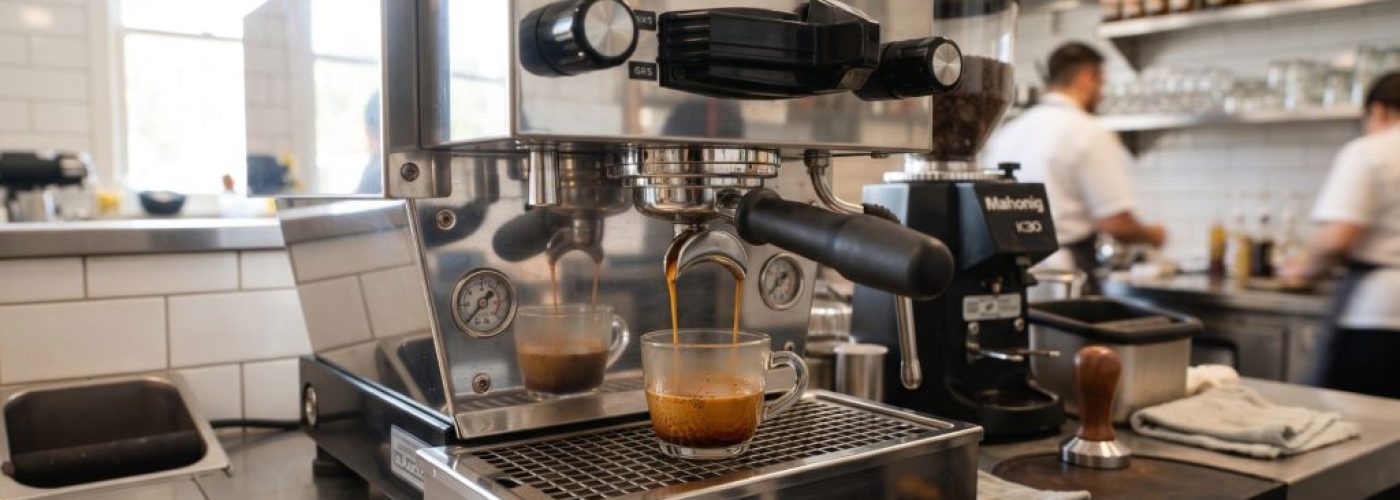
If your machine continues showing errors, losing pressure, making unusual sounds, or failing to prepare coffee, a technician can check the cause without replacing parts unnecessarily.
Appliances Repair Sharjah provides coffee machine repair in Sharjah for automatic machines, bean-to-cup models, espresso machines, capsule machines, and selected commercial units. The repair should be based on the machine’s condition, fault symptoms, and test results.
When Should You Call a Coffee Machine Technician?
Call a technician when the basic operating checks do not correct the problem. Stop using the machine if you smell burning, see water near electrical parts, hear repeated grinding or clicking, or notice that the pump is becoming unusually loud.
You should also arrange an inspection if the machine keeps showing the same error after the water tank, drip tray, brew group, and bean hopper have been checked.
Do not open the outer housing unless you have the required technical knowledge. Coffee machines contain electrical parts, heated components, pressurized water lines, and sharp grinder sections.
Final Thoughts
Learning how to use a coffee machine correctly can help you avoid many common operating problems. Fill and fit the water tank properly, use suitable beans, adjust the grind gradually, avoid overfilling the basket, wait for the warm-up cycle, and clean milk-contact parts after use.
Do not force a jammed grinder or misaligned brew group. If the machine begins making clicking sounds or the beans stop moving through the hopper, read our guide about a coffee grinder not grinding beans before trying to run it again.
Correct use can reduce avoidable damage, but it cannot prevent every electrical, mechanical, or heating fault. Parts wear over time, seals may weaken, and pumps or sensors can fail.