Why Your AC Is Not Cooling in Sharjah Summer, And What To Do About It
You turn on your AC, wait a few minutes, and the room still feels warm. In the middle of a Sharjah summer, that is one of the most frustrating things that can happen, at home or at the office.
Before you assume the worst, here is the thing most people do not realize: the problem is often simpler than it looks. A blocked filter, low gas, or a small fault can stop your AC from cooling properly, and most of these are fixable without replacing the whole unit.
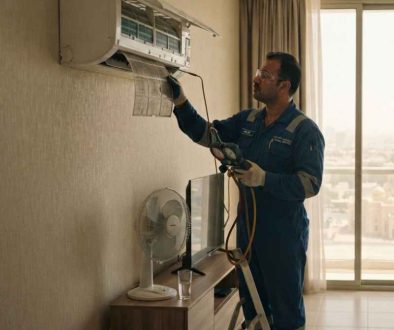
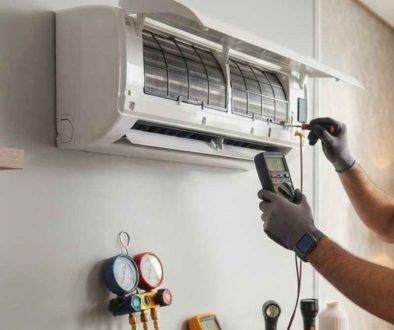
In this guide, you will find the most common reasons an AC stops cooling in Sharjah’s heat, what each problem actually means, and when it is time to call a technician to get professional Ac repair service in sharjah.
1. Dirty or Blocked Air Filter
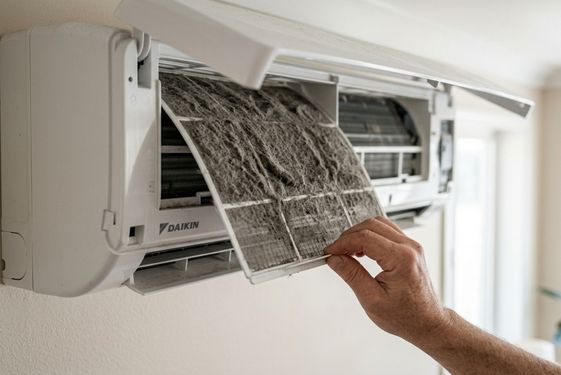
This is the most common reason we see when people call about cooling problems in Sharjah, and also the easiest to fix.
Your AC pulls warm air in, cools it, and pushes it back into the room. When the filter is blocked with dust, that airflow is restricted. The unit keeps running, but very little cool air actually gets through.
In Sharjah, dust builds up faster than in most places. If you have not cleaned your filter in the last month, that alone could be why your room is not cooling properly.
What to do:
Remove the filter, clean it with water, let it dry fully, and put it back. Many people notice an immediate difference after doing this one simple step.
2. Low Refrigerant (Gas Leak)
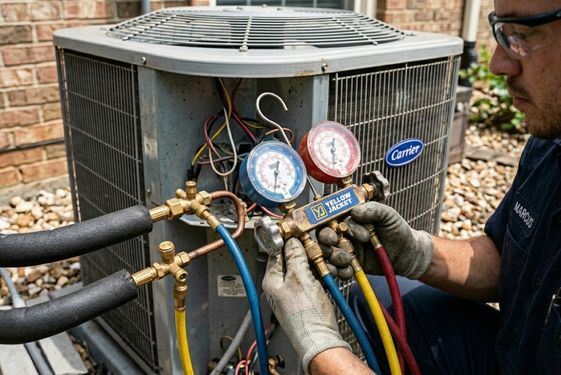
Refrigerant is the substance that actually makes your AC produce cold air. When it drops below the required level, usually because of a slow leak, your AC blows air but it is not cold enough.
But here is what most people miss: your AC does not consume refrigerant like fuel. If the level is low, it means there is a leak somewhere in the system. Simply topping up the gas without finding and fixing the leak will not solve the problem for long.
Important:
Refrigerant handling requires proper certification and tools. This is not a DIY fix. A qualified technician needs to find the leak, repair it, and then refill the gas to the correct level.
3. Dirty Condenser Coils on the Outdoor Unit
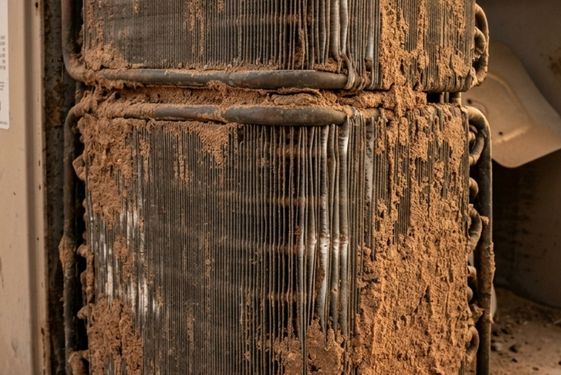
Your AC has two parts, the indoor unit that blows cool air, and the outdoor unit that releases the heat outside. The outdoor unit does a very hard job in Sharjah’s summer heat, and when its coils get covered in dust and grime, it cannot release heat efficiently.
When that happens, the whole system works harder but cools less. You might notice the outdoor unit feels extremely hot, or the AC keeps running but the room temperature barely drops.
What to do:
The outdoor coils need professional cleaning. A technician will use the right tools and pressure to clean the coils without damaging the fins.

4. The AC Is Too Small for the Room
This one is not a fault, it is a sizing problem. If your AC unit is too small for the space it is trying to cool, it will run all day and still not reach a comfortable temperature. This is especially noticeable during Sharjah’s peak summer months when outdoor temperatures regularly exceed 42°C.
A well-sized AC for a room in Sharjah should reach the set temperature within 10 to 15 minutes. If yours runs for much longer than that without cooling properly, the capacity might not match the room size.
Other things that affect this include poor insulation, large west-facing windows, and rooms with high ceilings. All of these increase the cooling load.
5. Thermostat or Sensor Problems
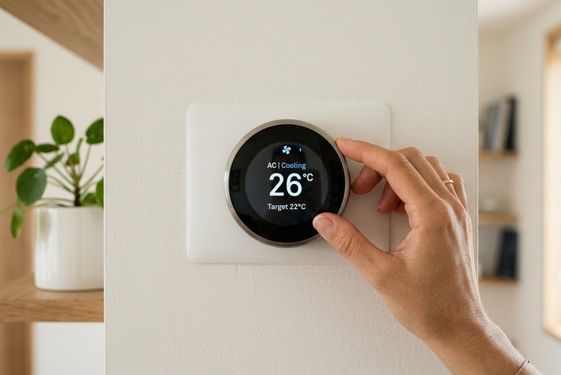
Sometimes the AC itself is fine, but the thermostat or temperature sensor is giving the wrong reading. The unit thinks the room is already cool when it is not, so it reduces cooling or shuts off early.
If your AC seems to be running but stops cooling before the room actually feels comfortable, or if the temperature on the display does not match how the room feels, the sensor may need to be checked or recalibrated.
This is a quick fix for a trained technician and something that often gets overlooked when people focus on bigger components first.
6. Compressor Issues
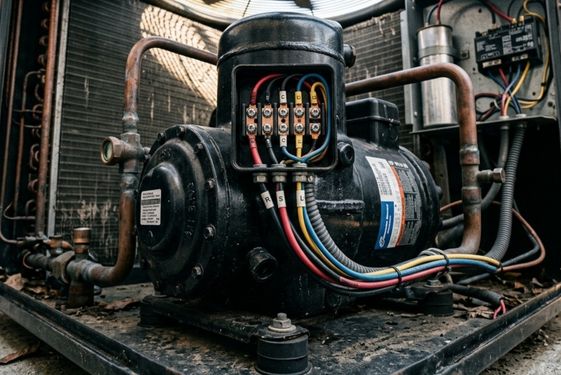
The compressor is the heart of your AC system. It compresses the refrigerant and keeps the cooling cycle running. When it starts to fail, your AC might make unusual noises, trip the circuit breaker, or simply produce warm air despite running normally.
The real test is this: if you have already checked the filter, the gas level is fine, and the outdoor unit looks clean, but the AC still is not cooling, the compressor is worth checking.
Compressor problems are more serious and usually require a professional inspection to confirm. In some cases the compressor can be repaired, in others it needs to be replaced. A good technician will give you an honest assessment before recommending anything.
7. Blocked or Leaking Air Ducts
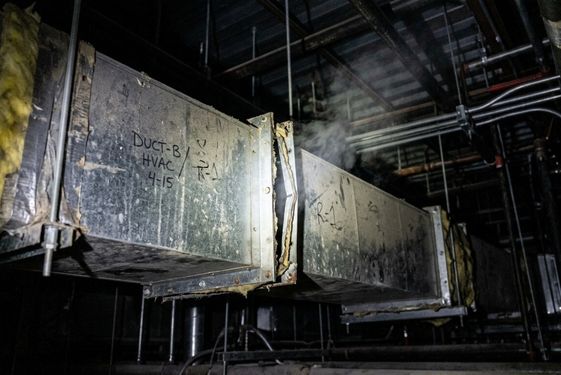
If you have a central AC or ducted system, the problem might not be the unit itself, it could be the ducts. Ducts that are partially blocked, have gaps, or have come loose at a joint will let cool air escape before it reaches the room.
Signs include some rooms cooling well while others do not, weak airflow from certain vents, or a musty smell when the AC runs. Duct issues are harder to diagnose on your own, but a technician can check the system with the right tools.
When Should You Call a Technician?
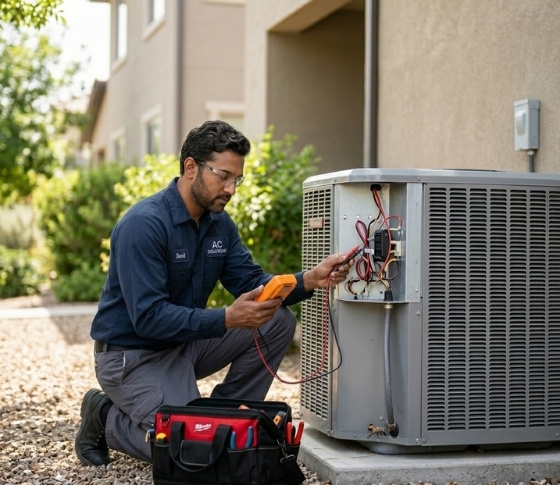
You can handle the filter cleaning yourself. But for anything beyond that, low gas, compressor faults, electrical issues, or duct problems, it is better to call a professional. Trying to fix refrigerant or electrical parts without proper training can make the problem worse and cost more in the end.
A proper AC inspection in Sharjah should include checking the filter, refrigerant level, electrical connections, thermostat calibration, coil condition, and overall system performance. If you are not sure what is wrong, that full check is the best place to start.
If your AC is still not cooling after checking the basics, the team at Appliances Repair Sharjah offers same-day AC repair in Sharjah with certified technicians, transparent pricing, and a 1-year warranty on repairs. You can book online or call directly for a quick inspection.
Frequently Asked Questions
-
The most common reasons are a dirty filter, low refrigerant, or a dirty outdoor unit. Each shows slightly different signs, and a technician can identify the exact cause quickly.