Dryer Not Heating? Common Causes and When Professional Repair Is Needed
A dryer that turns on but produces no heat can leave your clothes damp even after a full cycle. The drum may rotate normally, the timer may continue counting down, and air may move through the machine, but the laundry still comes out wet or cold.
The cause is not always a failed heating element. An incorrect cycle, overloaded drum, blocked lint filter, restricted airflow, dirty condenser, faulty thermostat, or electrical problem can create similar symptoms.
People looking for appliance repair in Sharjah should start with the basic checks before assuming that a major part needs replacement. At the same time, a dryer that smells burnt, becomes unusually hot, or repeatedly stops should not be forced to run. Checking the symptoms early can help protect the heating system, motor, wiring, and clothing.
Why Your Dryer Is Running but Not Heating
A dryer needs heat, airflow, and drum movement to remove moisture from clothes. The heating system warms the air, the drum moves the laundry, and the airflow carries moisture away from the fabric.
If one part of this process is interrupted, the dryer may run without drying properly. A blocked lint filter can reduce airflow. A failed heating element can leave the air cold. A faulty thermostat may stop the heater from switching on. Some heat pump dryers may take longer to warm up, but they should still remove moisture when working correctly.
But here is the thing most people miss: a no-heat complaint is sometimes caused by the selected programme rather than a damaged part. Air-only, cool, delicate, and low-temperature cycles may produce little or no noticeable heat.
The real test is what happens after the dryer has been running for several minutes on a suitable cycle. If the drum turns but the air remains cold and the clothes stay wet, the machine needs closer checking.
Quick Dryer Heating Checklist
Check these signs before arranging a repair:
Common Reasons a Dryer Runs Without Heat
A dryer may continue turning without producing heat because of an incorrect setting, blocked airflow, dirty condenser, failed heating part, or electrical fault. These common causes can help identify why clothes remain wet after a full cycle.
1. Incorrect Cycle or Heat Setting
Some dryer programmes are designed to use low heat or no heat at all. Airing, refresh, delicate, wool, and cool-down cycles may leave the drum feeling cooler than a standard cotton programme.
Check the selected programme before testing the machine. A sensor cycle may also stop early if the load is very small or the moisture sensor cannot detect the clothes properly.
Try a normal drying programme with a small load of suitable fabric. Avoid testing with one light item because it may not touch the moisture sensor consistently.
Test the dryer on a standard medium or high-heat programme that is suitable for the fabric. Wait several minutes before checking whether warm air is developing.
2. Overloaded Dryer Drum2. Overloaded Dryer Drum
An overloaded dryer may struggle to move air through the clothing. The drum can still rotate, but tightly packed laundry prevents warm air from reaching every item.
Heavy towels, bedsheets, and thick clothing hold a large amount of moisture. When too many are placed together, the dryer may take much longer and appear to have a heating problem.
An overloaded drum also places more demand on the motor, belt, rollers, and heating system. The machine may stop early if it detects excessive temperature or motor strain.
Fill the drum loosely rather than pressing clothes inside. If a smaller load dries normally, the problem may be the load size rather than the heating system.
3. Blocked Lint Filter
The lint filter catches fibres released from clothing during drying. When the filter becomes covered, airflow through the dryer is reduced.
Poor airflow can make clothes dry slowly, cause the dryer to stop early, or trigger a protective heat cut-off.
Remove the lint filter and clean it after every load. Check both sides of the mesh and remove any thick buildup. If fabric softener residue has formed a film, wash the removable filter according to the manufacturer’s instructions and allow it to dry fully.
Hold the clean filter toward a light. If the mesh still looks blocked, residue may remain even after the visible lint has been removed.
4. Restricted Vent or Airflow
Vented dryers need a clear path to move warm, moist air out of the machine. A crushed hose, blocked duct, or lint buildup can reduce airflow and make drying take much longer.
Check the visible vent hose behind the dryer. Make sure it is not flattened against the wall or bent sharply. The outside vent opening should also be clear of lint and debris.
A restricted vent can cause the machine to become too hot and activate a thermal safety device. The dryer may then stop heating even though the drum continues to turn.
Stop using the dryer if the vent hose becomes extremely hot or airflow at the outlet is very weak. The full vent path may need cleaning.
5. Dirty Condenser or Heat Exchanger
Condenser and heat pump dryers use internal systems to remove moisture from the air. A dirty condenser or heat exchanger can reduce drying performance and interfere with heat transfer.
Check whether your model has a user-cleanable condenser. Remove it only according to the manual and rinse or clean it using the recommended method.
Lint and dust can collect around the condenser area even when the main lint filter is cleaned regularly.
If the condenser is clean but the dryer still produces little heat, the fan, sensors, refrigerant system, or internal heat pump components may need inspection.
6. Failed Heating Element or Thermal Fuse
Many electric dryers use a heating element to warm the air. If the element burns out, the drum may continue turning while the air remains cold.
A thermal fuse or thermal cut-off protects the dryer from dangerous temperature levels. If airflow becomes restricted or the dryer overheats, this safety part may open the heating circuit.
Replacing a thermal fuse without finding the reason it failed can lead to the same problem again. The lint path, vent, thermostat, heater, and fan should be checked before a new fuse is installed.
Do not bypass a thermal fuse. It is a safety component, and removing its protection can create a serious overheating risk and many other problems.
Repair Options for a Dryer That Is Not Heating
The correct repair depends on the dryer type and the cause of the heating problem. A simple issue may only require a programme change, smaller load, clean lint filter, or corrected vent position.
A dryer inspection may include:
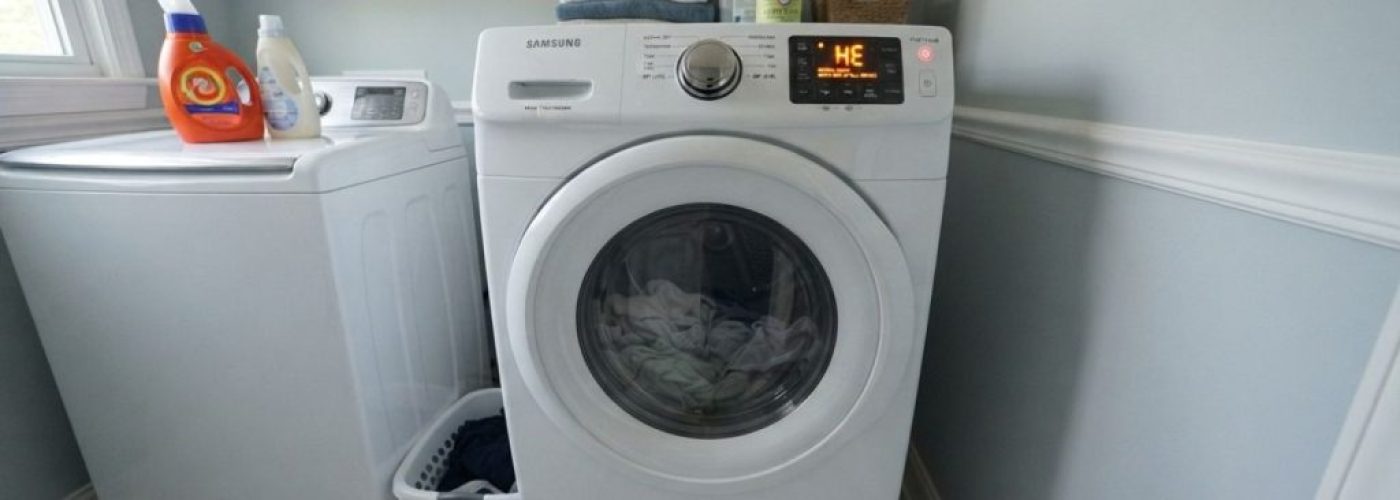
The complete drying process should be checked because several faults can produce the same result. A dryer may have a working heater but still leave clothes wet because airflow is blocked. Another machine may have clear airflow but no power reaching the heating circuit.
Appliances Repair Sharjah provides dryer repair in Sharjah for vented, condenser, heat pump, tumble, compact, and washer-dryer models. Customers in Al Nahda, Al Khan, Muweilah, and Al Taawun may need help with heating elements, thermostats, sensors, airflow, motors, or electrical faults.
When Should You Call a Dryer Technician?
Call a technician when the dryer remains cold after you have checked the programme, load size, lint filter, and visible airflow path.
You should also arrange an inspection if the machine stops repeatedly, shows a heating error, produces a burning smell, or becomes unusually hot on the outside. These signs may point to a failed safety device, restricted airflow, damaged wiring, or a heating-system fault.
Stop using the dryer if you see smoke, hear electrical buzzing, or notice melted plastic near the plug or cable. Disconnect the machine from power when it is safe to do so.
When booking dryer repair in Sharjah, explain whether the drum turns, whether any heat appears, and how long the machine runs before stopping. Mention the programme used and any error code shown.
Final Thoughts
A dryer not heating may be caused by an incorrect cycle, overloaded drum, blocked lint filter, restricted vent, dirty condenser, failed heating element, faulty thermostat, or electrical problem.
Begin with the safe checks. Choose a suitable programme, reduce the load, clean the lint filter, and inspect the visible vent or condenser area. Do not keep running the machine if it smells burnt, becomes extremely hot, or repeatedly cuts out.
Too much heat can damage clothing as well as the dryer. Read our guide about do clothes shrink in the dryer if fabrics are coming out smaller, unusually hot, or damaged after each cycle.
A no-heat problem does not automatically mean the heating element needs replacement. Airflow, safety fuses, sensors, wiring, and power supply should be checked first.