Dishwasher Has Standing Water? Causes, Safe Draining Steps and Repair Options
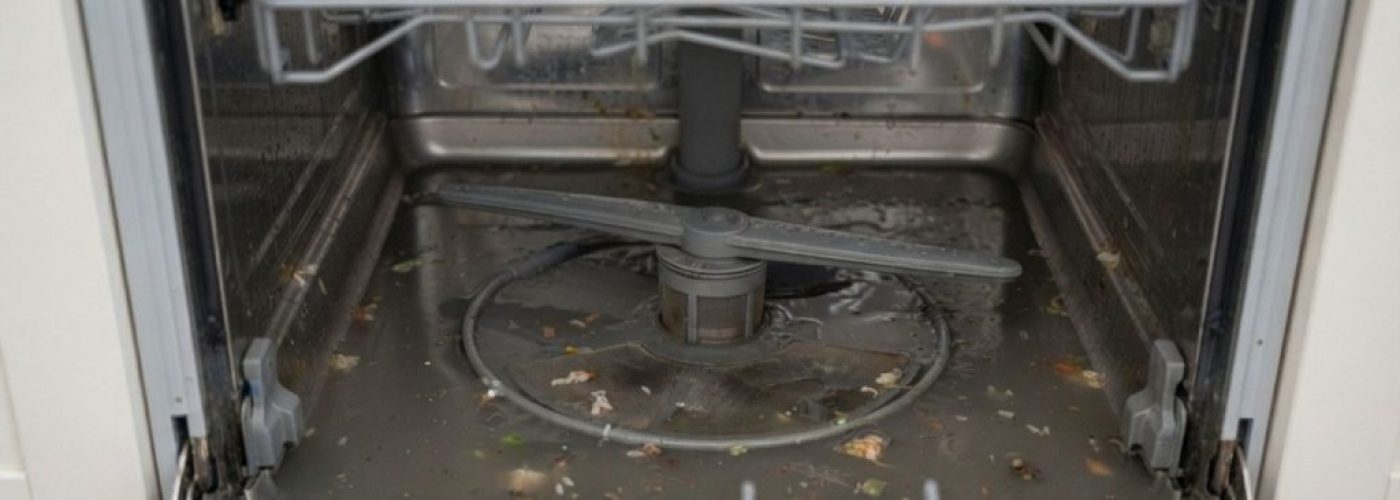
Opening the dishwasher and finding dirty water at the bottom is a clear sign that the drainage cycle has not finished properly. The water may cover the filter, sit below the lower rack, or return shortly after the machine drains. You may also notice a bad smell, food residue, or a humming sound near the base.
A small amount of clean water around the sump can be normal on some models. A visible pool of dirty water is different and should not be ignored. The cause may be a blocked filter, a kinked drain hose, food inside the pump area, or a fault in the drain system.
People looking for home appliance repair in Sharjah should avoid running repeated cycles while water remains inside. Each new cycle can add more water and may cause an overflow. Start with safe checks, then arrange an inspection if the dishwasher still does not drain.
Why Standing Water Collects in a Dishwasher
A dishwasher uses a drain pump to push wastewater through a hose and into the kitchen waste connection. Before the pump can remove the water, it must pass through the filter and sump area at the bottom of the tub.
Food particles, grease, broken glass, and labels can block this route. The drain hose may also become kinked or clogged. In other cases, the pump receives power but cannot move because its impeller is jammed.
But here is the thing most people miss: the blockage may not be inside the dishwasher. A blocked sink pipe, poor waste connection, or water returning through the drain hose can leave the dishwasher full after a cycle.
The timing of the problem gives useful clues. Water that never leaves may point to the filter, hose, or pump. Water that drains and then returns may indicate a backflow or waste-pipe issue.
Quick Dishwasher Drainage Checklist
Check these signs before trying to remove the water:
Common Reasons a Dishwasher Has Standing Water
Water may remain inside the dishwasher because of a blocked filter, clogged drain hose, faulty pump, or drainage-system problem. These common causes can help you understand what to check before arranging repair.
1. Blocked Dishwasher Filter
The dishwasher filter catches food and debris before they reach the pump. When it becomes blocked, water may struggle to move into the sump and drainage system.
Remove the lower rack and inspect the filter area. A thick layer of grease, food particles, or labels can reduce water flow. The filter may look clean on top while the mesh underneath remains blocked.
Switch off and disconnect the dishwasher before removing any parts. Rinse the filter with warm water and use a soft brush for trapped residue.
Clean and refit the filter securely, then test a short drain. If water remains, continue checking the rest of the drainage path.
2. Food and Grease Inside the Sump
The sump is the recessed area beneath the filter. Water collects there before the drain pump removes it. Small food pieces, grease, glass, and packaging labels may become trapped inside.
Use a cup or absorbent cloth to remove most of the standing water. Wear gloves before checking the sump because sharp objects may be hidden below the surface.
Remove visible debris with a cloth or paper towel. Do not push objects deeper into the opening. Avoid pouring large amounts of water into the sump because this may move the blockage toward the pump.
If you find glass, hard plastic, or a damaged cover, do not restart the dishwasher until the pump area has been checked.
3. Kinked or Clogged Drain Hose
The drain hose carries dirty water from the dishwasher to the waste connection. A sharp bend, trapped section, or internal blockage can stop water from flowing freely.
Check the visible hose behind or beneath the dishwasher. Make sure it is not crushed against the wall or cabinet.
Grease and food residue can collect inside the hose over time. This may cause slow drainage before the dishwasher stops draining completely.
If the hose looks bent, reposition it carefully. A hose that remains blocked may need to be disconnected and cleaned or replaced by a technician.
4. Blocked Sink or Waste Connection
The dishwasher usually drains into the kitchen sink waste pipe. If that pipe is blocked, wastewater may have nowhere to go.
Run water through the sink and check how quickly it drains. A slow sink, bubbling sound, or water rising in the basin may point to a shared waste-pipe blockage.
The dishwasher connection under the sink can also become clogged with grease. Water may back up through the hose and return to the bottom of the dishwasher after the pump stops.
Clear the sink drainage issue before testing the dishwasher again. A working dishwasher pump cannot drain properly into a blocked waste pipe.
5. Faulty Drain Pump
The drain pump uses a small motor to push wastewater out of the dishwasher. If the motor fails, the machine may finish washing but leave water at the bottom.
A failed pump may remain silent during the drain stage. It may also hum without moving water. The same symptoms can come from a blockage, so the pump should not be replaced before the filter, sump, and hose are checked.
Electrical testing may be needed to confirm whether the pump is receiving power. The technician may also inspect the pump housing for cracks, leakage, or damage.
A silent or humming pump needs proper testing. The fault may involve the pump motor, wiring, impeller, or control signal.
6. Jammed Pump Impeller
The impeller is a small rotating part inside the pump. It moves water through the drain system. Food, glass, bone fragments, or labels can prevent it from turning.
A jammed impeller may cause the pump to hum or click during the drain stage. The dishwasher may stop and display an error because the water level does not drop.
Some models allow limited access through the sump. Other machines require the pump to be reached from underneath. Do not place fingers into an opening unless the dishwasher is disconnected and the manual clearly allows the check.
Stop the dishwasher when you hear repeated humming or clicking. Continued attempts may overheat the pump motor.
How to Drain a Dishwasher With Standing Water Safely
Switch off the dishwasher and disconnect it from power before removing water. If the plug is not safely accessible, use the correct isolation method for the installation.
Remove the lower rack, then scoop out the water with a small cup. Use towels or a sponge for the remaining water near the filter. Place a shallow tray near the door in case more water moves forward.
After most of the water is removed, inspect the filter and visible sump area. Do not pour drain chemicals into the dishwasher. These products may damage seals, hoses, and metal parts.
A dishwasher drainage inspection may include:
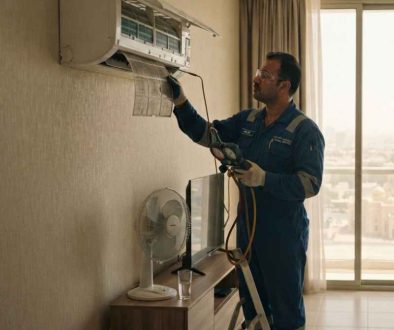
Appliances Repair Sharjah provides dishwasher repair service in Sharjah for built-in, freestanding, integrated, countertop, and selected commercial dishwashers. Customers in Al Nahda, Al Taawun, Muweilah, and Al Qasimia may need help with filters, pumps, hoses, waste connections, or electrical faults.
When Should You Call a Dishwasher Technician?
Call a technician if the filter is clean but water still remains after the drain cycle. You should also arrange an inspection when the pump hums without moving water, the same error returns, or dirty water flows back into the tub.
Stop using the dishwasher if the water level rises, the machine leaks, or a burning smell appears. Running another cycle may cause an overflow or place more pressure on the pump.
Do not remove the outer panels or reach underneath the machine while it is connected to power. A built-in dishwasher may also have hidden water and electrical connections.
When booking dishwasher repair in Sharjah, explain whether the water never drains or drains and then returns. Mention any sink blockage, pump noise, smell, or error code.
Final Thoughts
Standing water in a dishwasher may come from a blocked filter, food in the sump, a kinked drain hose, a blocked waste connection, a faulty pump, a jammed impeller, backflow, or an electrical fault.
Start by switching off the machine and removing the water safely. Inspect the filter and visible sump area, then check the sink and drain hose for clear signs of blockage.
Regular filter care can reduce food and grease buildup. Read our guide on how to clean a dishwasher filter for the correct removal, washing, and refitting steps.
Do not assume the pump has failed until the full drainage path has been checked. A blocked kitchen waste pipe can create the same result as a dishwasher fault.